Women’s Suits

A Historical and Contemporary Examination of Power, Fashion, and Design

The women’s suit is more than a fashion item—it is a cultural symbol of empowerment, elegance, and rebellion. Emerging from the fringes of masculine tailoring, it has evolved into a staple of modern wardrobes, embraced by women across professions, generations, and identities. This lecture explores the historical trajectory of women’s suits, their contemporary interpretations in fashion, their comfort and functionality, and the design innovations that have shaped their enduring appeal.

Historical Context: From Subversion to Acceptance

1. Early Pioneers: The 19th Century Beginnings
Women began appropriating elements of men’s suiting in the late 19th century as part of broader movements toward gender equality and practicality.

  • Rational Dress Movement: Advocated for practical attire, leading to the introduction of tailored jackets and ankle-length skirts.
  • Cycling Outfits: Bloomers and tunic combinations challenged Victorian norms, marking the first steps toward suiting silhouettes for women.

2. The 20th Century: Milestones and Militant Elegance

  • 1910s–1920s: Coco Chanel introduced women to tailored jackets and skirt sets, combining comfort with sophistication.
  • 1930s–1940s: Marlene Dietrich and Katharine Hepburn famously wore trousers and blazers, helping normalize the masculine look for women in the public eye.
  • 1940s–1950s: World War II saw a surge in utility suits for working women, with structured shoulders and nipped waists.
  • 1960s–1970s: Yves Saint Laurent’s introduction of “Le Smoking” in 1966 offered a tuxedo-style suit for women—an iconic fashion moment that symbolized power and sensuality.
  • 1980s: The rise of women in corporate sectors gave way to the power suit—broad shoulders, bold colors, and sharp tailoring became symbols of ambition and authority.

Women’s Suits in Today’s Fashion Landscape

The modern women’s suit is defined by its adaptability. No longer confined to boardrooms or formal occasions, suits are now styled for casual wear, evening events, and creative expression.
1. Diversity of Styles

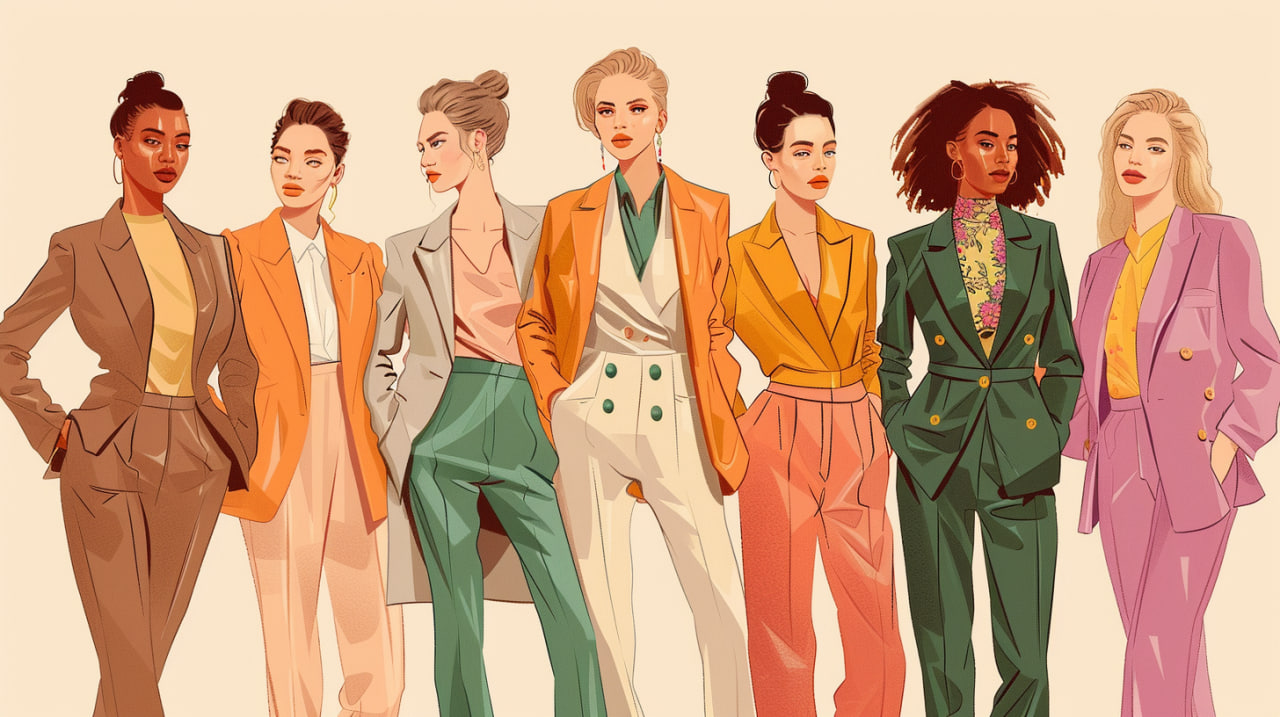
  • Classic Two-Piece: A fitted blazer and matching trousers or skirt—updated with modern cuts and colors.
  • Oversized Silhouettes: Inspired by 1990s minimalism, these offer relaxed fits with wide-leg trousers and boxy jackets.
  • Short Suits: Pairing tailored blazers with shorts for a playful, seasonal look.
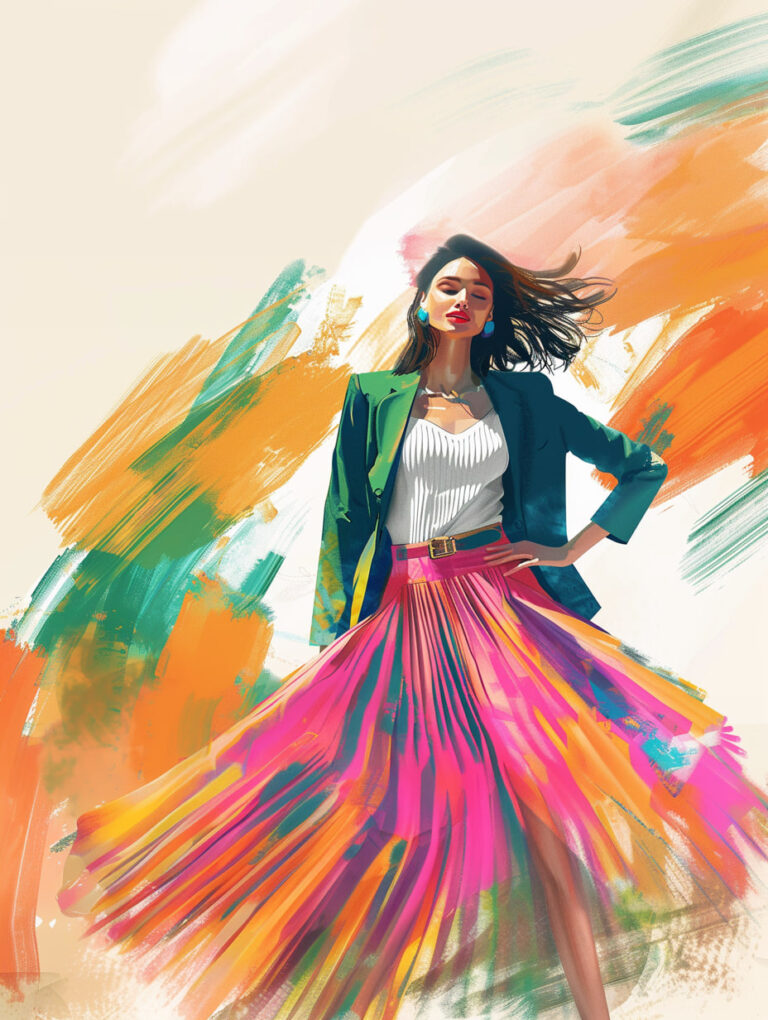
  • Skirt and Dress Suits: Feminine alternatives for formal settings, often with softer tailoring.

2. Color and Fabric Innovation

  • From pastel linens to velvet, suiting is no longer bound by traditional navy, gray,and  black.
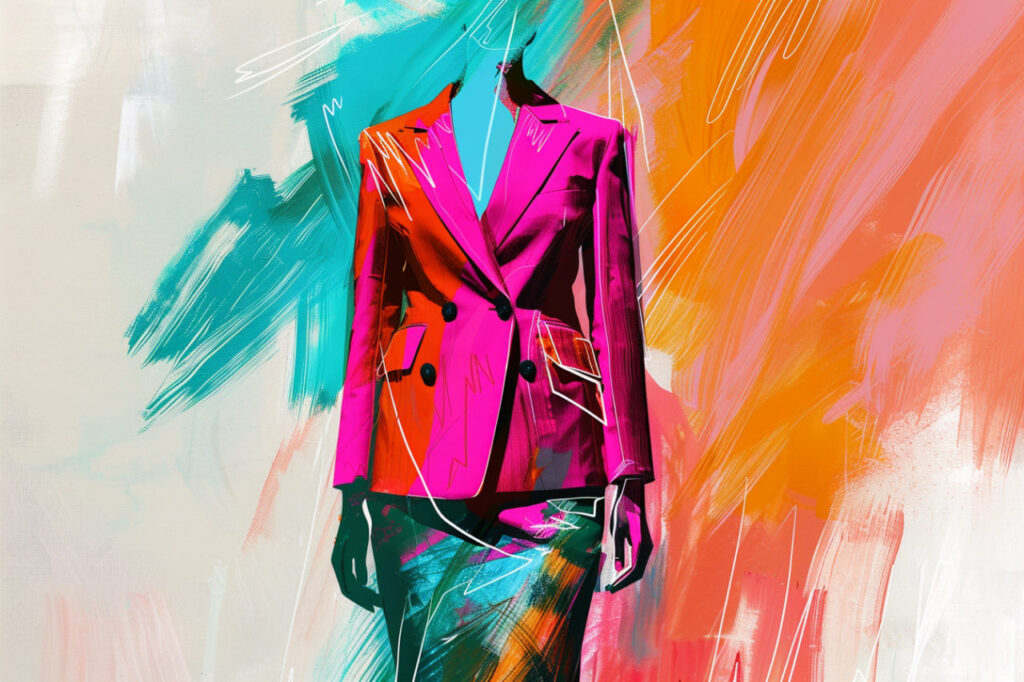
  • Bright colors, metallics, plaids, and florals are used to reflect personality and creativity.

3. Gender-Inclusive Styling

  • Unisex and non-binary fashion movements have broadened the suit’s appeal, resulting in styles that challenge conventional gender norms.
  • Designers like Stella McCartney, Gucci, and The Row promote androgynous elegance.

4. Celebrities and Cultural Influence

  • Figures like Zendaya, Tilda Swinton, and Janelle Monáe have redefined red- carpet style by wearing bold, fashion forward suits.

Comfort and Functionality in Modern Suits

Contemporary suits balance style with practicality, incorporating design elements that prioritize movement and ease.

  • Stretch Blends: Modern textiles like wool-spandex blends offer flexibility.
  • Breathable Linings: Natural fibers and moisture-wicking materials ensure all- day comfort.
  • Versatile Construction: Unstructured or partially lined jackets allow for a relaxed
    fit without sacrificing formality.
  • Adjustable Waistbands and Relaxed Cuts: These provide a more inclusive fit for diverse body shapes.

As remote and hybrid work environments grow, many brands offer “soft suiting” options—knit blazers, elasticated pants, and wrinkle-free fabrics—to meet evolving needs.

Design Elements and Craftsmanship

A well-crafted suit involves thoughtful construction, silhouette balance, and detail. Key elements include:

  • Lapel Styles: Notch, peak, and shawl lapels each convey different levels of
    formality.
  • Button Placement: Affects the visual shape—single-button for elongation,
    double-breasted for boldness.
  • Darts and Seams: Provide shaping for a contoured, flattering fit.
  • Pockets: Functional and aesthetic—flap, jetted, or patch styles vary by design.
  • Trousers: High-waisted, tapered, cropped, or wide-leg—all offer distinct silhouettes and suit different body types.

Cultural Symbolism and Empowerment

Suits are inherently symbolic in women’s fashion. Wearing a suit can signal professionalism, rebellion, confidence, or chic minimalism. They transcend age, race, and socio-economic background, making them uniquely democratic and empowering. In feminist history, suits have often represented progress. From suffragettes to corporate leaders, the suit has served as a uniform of ambition and self-definition.

Conclusion

The women’s suit has traversed a complex and inspiring path—from marginal rebellion to mainstream power dressing. Today’s suits are not just about authority; they are about authenticity, creativity, and comfort. Whether sharply tailored or softly draped, worn in the boardroom or on the runway, the suit continues to evolve with the changing roles and aspirations of women.

share this post:

Facebook
Pinterest
Telegram
Reddit
LinkedIn
Pocket

Want some more? Here...

Press to Impress

The Ironing Trick That Instantly Upgrades Your Sewing
There’s a silent hero in every well-sewn garment, and it’s not the machine, the fabric, or even the hands that stitched it. It’s the iron. While it may seem mundane compared to the thrill of cutting fabric or the satisfaction of topstitching, pressing is one of the most powerful tools in your sewing arsenal. And yet,it’s often skipped or rushed, especially by beginners eager to see a project come together.

Read more

Pajamas as Outerwear

Pajamas as Outerwear: The Rise of Relaxed Luxury in Fashion

Pajamas have long been associated with comfort, relaxation, and bedtime rituals.

Read more